11
2008
29. Chickenpox (Varicella) Vaccine


Ethan will be turning 17 months old this 21 December 08. His Daddy is planning to send him for the Chickenpox (Varicella) Vaccine. I am still wondering if I should let him take the vaccine or just face it like a man! I then decide to google for some answers and here is what I found…
What kind of vaccine is it?
The chickenpox vaccine is a live attenuated vaccine. This means the live, disease-producing virus was modified, or weakened, in the laboratory to produce an organism that can grow and produce immunity in the body without causing illness.
How is this vaccine administered?
The chickenpox vaccine is a shot, given in the fatty tissue.
Who should get this vaccine?
Chickenpox vaccine is recommended for the following:
All children younger than age 13 years (one dose at 12-15 months and a second dose at age 4-6 years);
Everyone age 13 years and older who has never had chickenpox (two doses, given 4-8 weeks apart);
Anyone missing a dose at the recommended times should get the shot at their next visit to their doctor or clinic.
Who recommends this vaccine?
The Centers for Disease Control and Prevention (CDC), the American Academy of Pediatrics (AAP), and the American Academy of Family Physicians (AAFP) have all recommended that children receive this vaccine.
How safe is this vaccine?
Tens of millions of doses of varicella vaccine have been given in the United States, and studies continue to show that the vaccine is safe. Serious side effects are very rare.
What side effects have been reported with this vaccine?
Possible side effects are generally mild and include redness, stiffness, and soreness at the injection site; such localized reactions occur in about 20% of children immunized. A small percentage of persons develop a mild rash, usually around the spot where the shot was given.
How effective is this vaccine?
Ninety-seven percent of children between age 12 months and 12 years develop immunity to the disease after one dose of vaccine. For older children and adults, an average of 78% develop immunity after one dose and 99% develop immunity after the recommended two doses.
Although some vaccinated children (about 2%) will still get chickenpox, they generally will have a much milder form of the disease, with fewer blisters (typically fewer than 50), lower fever, and a more rapid recovery.
The vaccine almost always prevents against severe disease. Getting chickenpox vaccine is much safer than getting chickenpox disease.
Isn’t it better for a child to get chickenpox naturally?
Some parents purposely seek to get their children infected with varicella virus, even promoting “chickenpox parties” for this purpose. The belief is that it’s better to be infected when young, a time when the infection is ordinarily less severe. Some parents also believe that something “natural” (the disease) is better than something “artificial” (the vaccine), or that immunity derived from the disease will be more permanent than that from the vaccine.
However, when a safe vaccine is available, parents need to weigh the supposed benefits of infection against its potential risks, including severe disease with complications such as infection with flesh-eating bacteria. No one can predict which child will develop a life-threatening case of chickenpox; in fact, most serious cases occur in previously healthy children.
In addition, in a recent study, 7 out of 10 children said given the choice, they’d rather have the shot than have the natural disease.
Can the vaccine protect you if you’ve already been exposed to chickenpox?Yes, it is 70-100% effective if given within 72 hours of exposure.
Who should NOT receive the chickenpox vaccine?
Persons with weakened immune systems and those with life-threatening allergies to gelatin or the antibiotic neomycin should not receive this vaccine.
Pregnant women should not receive this vaccine, as the possible effects on fetal development are unknown. However, non-pregnant women of childbearing age who have never had the disease may be immunized against chickenpox to avoid contracting the disease while pregnant.
Can the vaccine cause chickenpox?
Because this vaccine is made from a live, but weakened, virus, about 1% of recipients develop a mild form of the disease, consisting of a limited rash, most often with only 5-6 blisters. Usually there is no fever. These persons are then safe from the more serious, naturally occurring form of the virus.
Can the vaccine cause herpes zoster (shingles)?
Yes, this is possible. The risk of zoster following vaccination appears to be less than that following infection with the varicella virus. The majority of cases of shingles following vaccine have been mild and have not been associated with serious complications.
So, am I clear now to let Ethan take the jab or not to take? Well… I am all the more confuse now than before. Sigh! Somebody please help me!


Related Posts
 The 3 Most Tiring Parts of Being a Stay At Home Mom
 Premium Concentrated Imperial Bird’s Nest
 3 Drinks to Keep Us Cool on Super HOT days!
 Zurich Omni Health – The plan that rewards you for staying healthy

About the Author: Merryn Tan

Join ME for updates & giveaways!
About Me
 Home is where MY heart is.
I am a mother to two boys; Ethan and Ayden and a wife to Darling William. I'm a stay at home mum who blogs to break the monotony of life and to avoid feeling jaded. Would love to get to know all the Super Mommies and Daddies and Babies or Singles out there with the hope that we can learn more from each other. Most of all, I am a happy person, and I hope YOU are too.
Click here to learn more about me ^_^
Easy Tong Sui Recipes
Resipi Kuih Muih Tradisional
Our Hotel Reviews Collection
SUBMERRYN ON BERNAMA TV
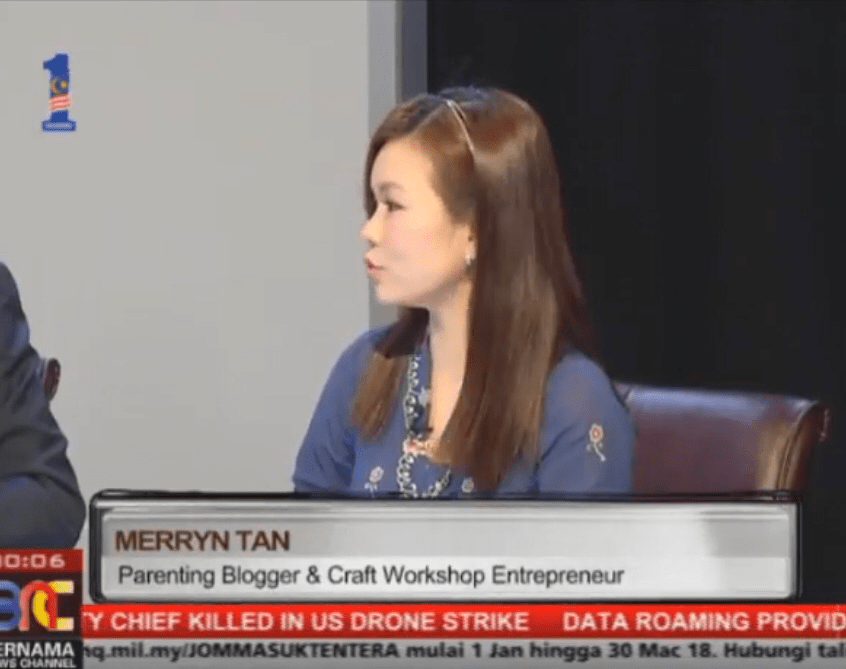
SUBMERRYN ON TV3, MHI

Ayden and Mummy demo making CNY snacks
SUBMERRYN ON MHI
Submerryn and Mummy doing LIVE Peranakan Cooking Demo
Submerryn NTV7 Breakfast Show

Submerryn talks about coping with physical changes during pregnancy
Submerryn ON TV3, MHI
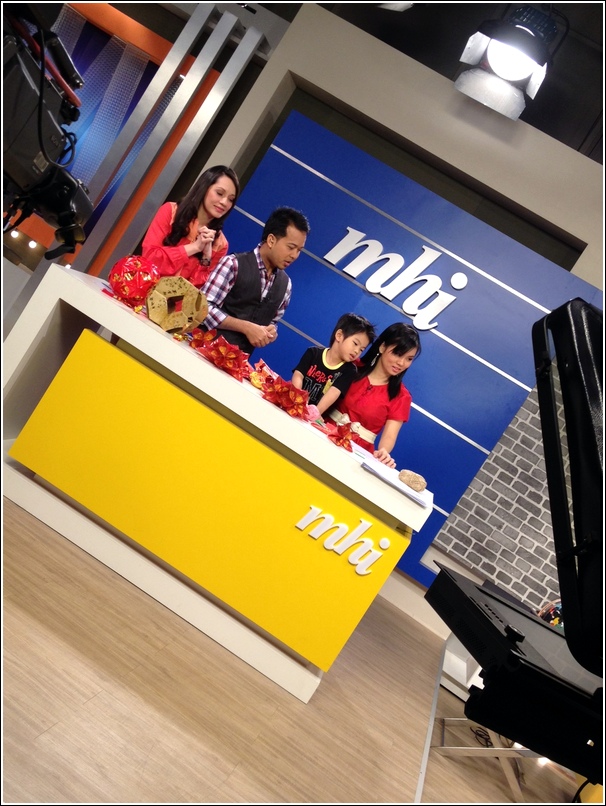
CNY Ang Pow lantern making demo and playing with snakes
Submerryn ON TV2 Hello On Two

CNY Ang Pow lantern making demo
Submerryn On TV3 KidsNews

Crafting with Ethan on KidsNews
Submerryn On Bernama Radio24

Submerryn In The Star Metro

Submerryn In The Star, In.Tech

Moms who’ve banked on their hobbies and build successful businesses
Submerryn In The Star, Metro

Tossing Lou Sang
Submerryn In Sin Chew
Family holiday trip
My Urban Garden
Thailand: Impiana Kata Noi

Thailand: Impiana Patong
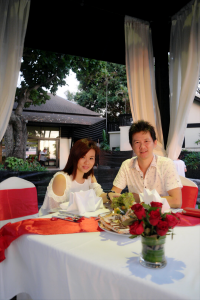
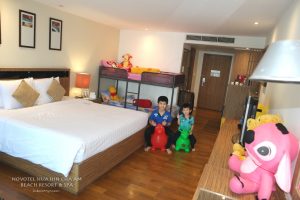
Thailand: Novotel Hua Hin Cha-Am
Thailand: Swissotel Kamala
Thailand: Novotel Sukhumvit
Thailand: Novotel Ploenchit

Novotel Bangkok Ploenchit Sukhumvit
Thailand: Novotel Karon
Thailand: Novotel Surin
Thailand: Holiday Inn Mai Khao

Holiday Inn Resort Mai Khao and Activities for the Family
Thailand: Vana Nava Water Jungle

Thailand: Plearnwan Hua Hin
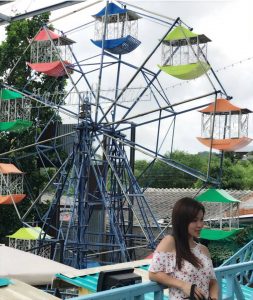
Thailand: Santorini Park Cha-am
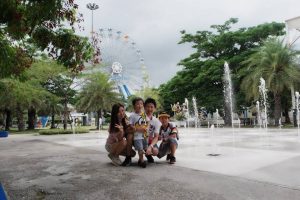
Thailand: Asiatique Sky Bangkok

Indonesia: Holiday Inn Bali
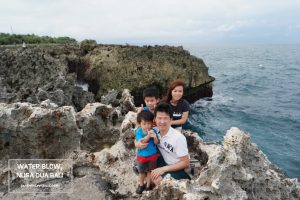
Holiday Inn Resort Bali and Activities for the Kids
S’pore: Shangri-La Singapore

S’pore: Shangri-La Rasa Sentosa

S’pore Skyline Luge Sentosa

S’pore Universal Studio

Universal Studio Singapore
S’pore River Cruise

Singapore River Cruise
S’pore S.E.A Aquarium
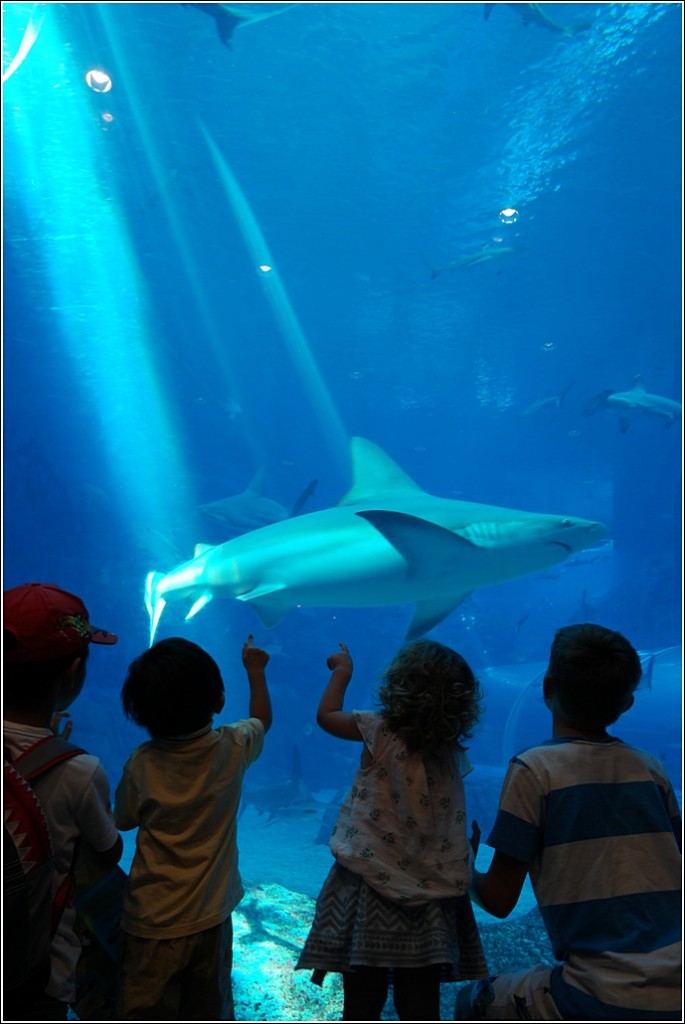
S.E.A Aquarium, Sentosa, Singapore
S’pore Hotel Jen Tanglin

Klang Valley: Impiana KLCC

Port Dickson: Lexis Hibiscus

Lexis Hibiscus Port Dickson and Activities for the Family
Port Dickson: Thistle
Thistle Port Dickson
Penang: Golden Sands Resort
Golden Sands Resort, Penang
Penang: Holiday Inn Resort
Holiday Inn Resort Penang and Activities for the Kids
Penang: Shangri-La Rasa Sayang
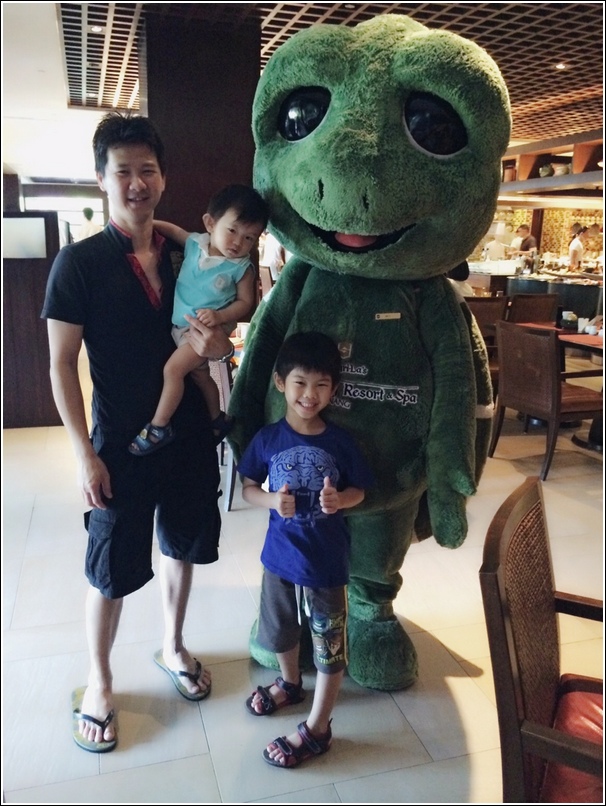
Shangri-La Rasa Sayang Resort & Spa, Batu Feringghi Beach, Penang
Pahang: Swiss-Garden Kuantan
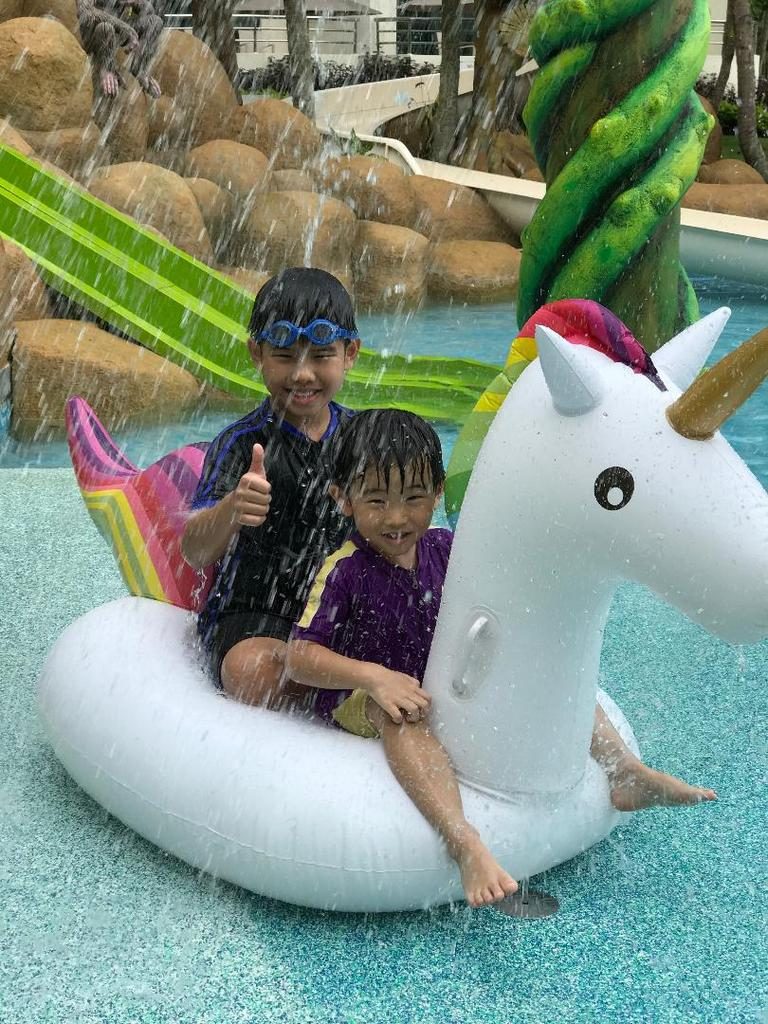
Pahang: Bukit Gambang Safari Park
Bukit Gambang Resort City
Melaka: Holiday Inn
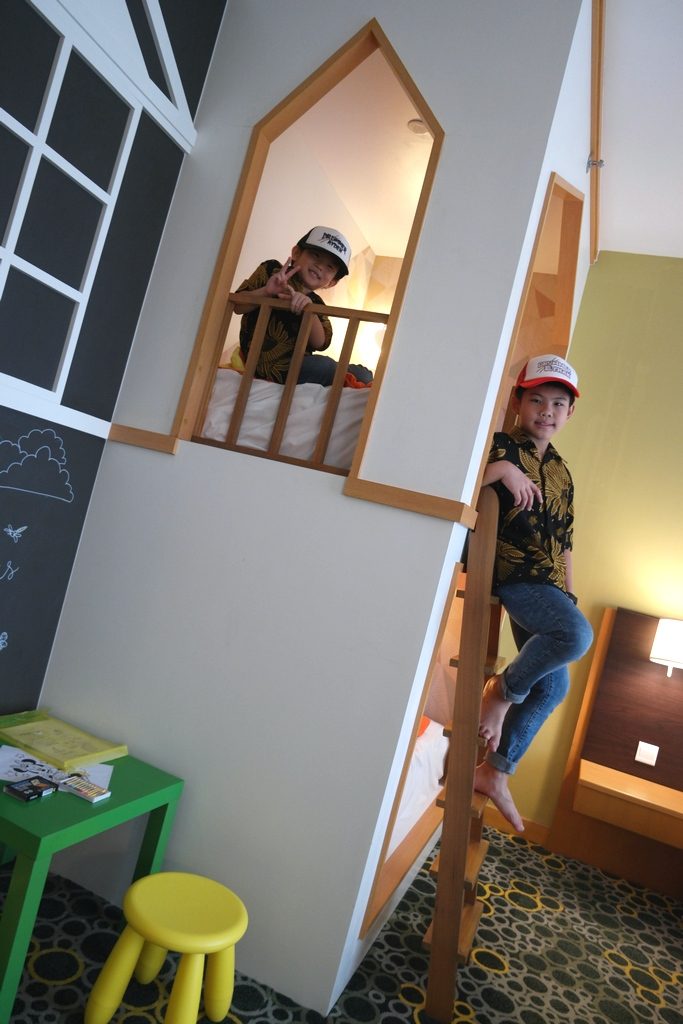
Melaka: Hotel Equatorial
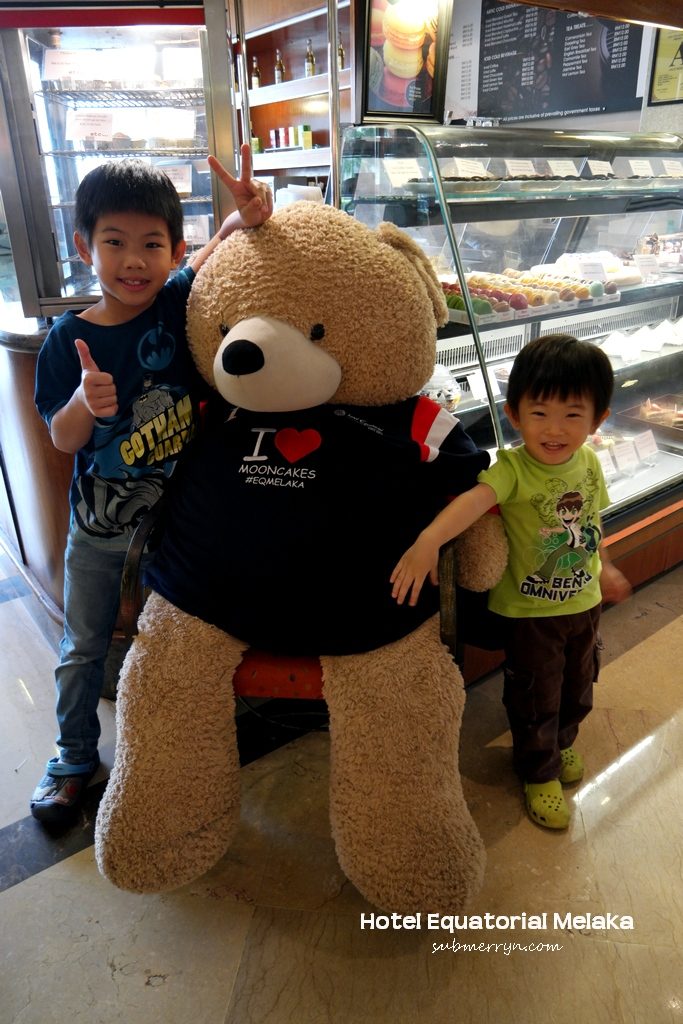
Equatorial Hotel Melaka
Melaka: Estadia by Hatten
Estadia by Hatten
Melaka: Novotel
Novotel Melaka
Melaka: Philea Resort & Spa
Johor: Pulai Springs Resort

Pulai Springs Resort, Johor Bahru
Johor: The Crystal Crown Arch

Johor: Dinosaur Alive Water Park
Johor: Legoland

Legoland, Johor
Johor: Hello Kitty

Sanrio Hello Kitty Town, Nusajaya Johor
Perak: The Haven Resort Hotel, Ipoh
Perak: Lost World of Tambun
Perak: Swiss-Garden Beach Resort
T’ganu: Resorts World Kijal